I used to be an RSS user, and I loved it. Most mornings started the same way, ginseng tea on the desk, laptop already warm, and Google Reader open before anything else so I could check what was new.
I could easily read blogs written by friends (people I actually wanted to hear from, not people I happened to know). I could also pick the brain of strangers I admired, bookworms, travelers, designers, developers, nerds scattered around the world, people I would probably enjoy being friends with but never met.
That simplicity was great for readers and bad for anyone trying to sell attention. RSS stripped pages down to the part that mattered and ignored the rest. No ads or tracking, and none of the urgency theater. That also meant no money, which explains how this story usually ends.
RSS had already existed for years before that moment, mostly living quietly in the background of blogs and personal sites. It started as a fairly nerdy idea in the early 2000s, a simple XML based way for websites to say “here is what’s new” in a format machines could understand and humans could benefit from. Blogs adopted it quickly. News outlets tolerated it. Big platforms embraced it just enough to look open, then they quietly lost interest once they naively realized how little leverage it actually gave them.
So, in 2013…
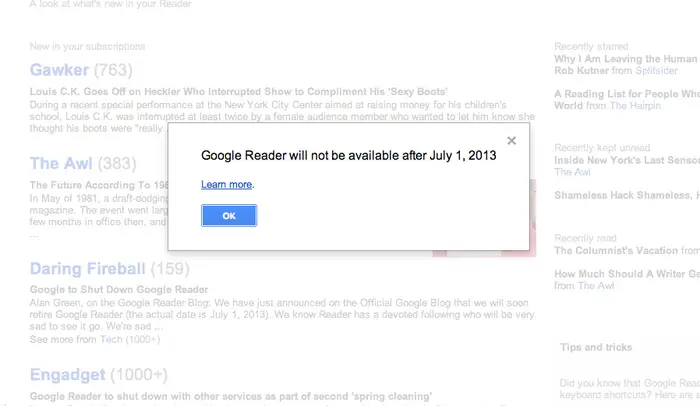
Google shut down its RSS reader.
I frustratedly migrated my feeds to other readers and pretended that was a solution. It worked for a while, but around the same time, social media and Google News got very good at hijacking attention. You stopped choosing what to read and started letting something choose for you. Checking in turned into staying indefinitely.
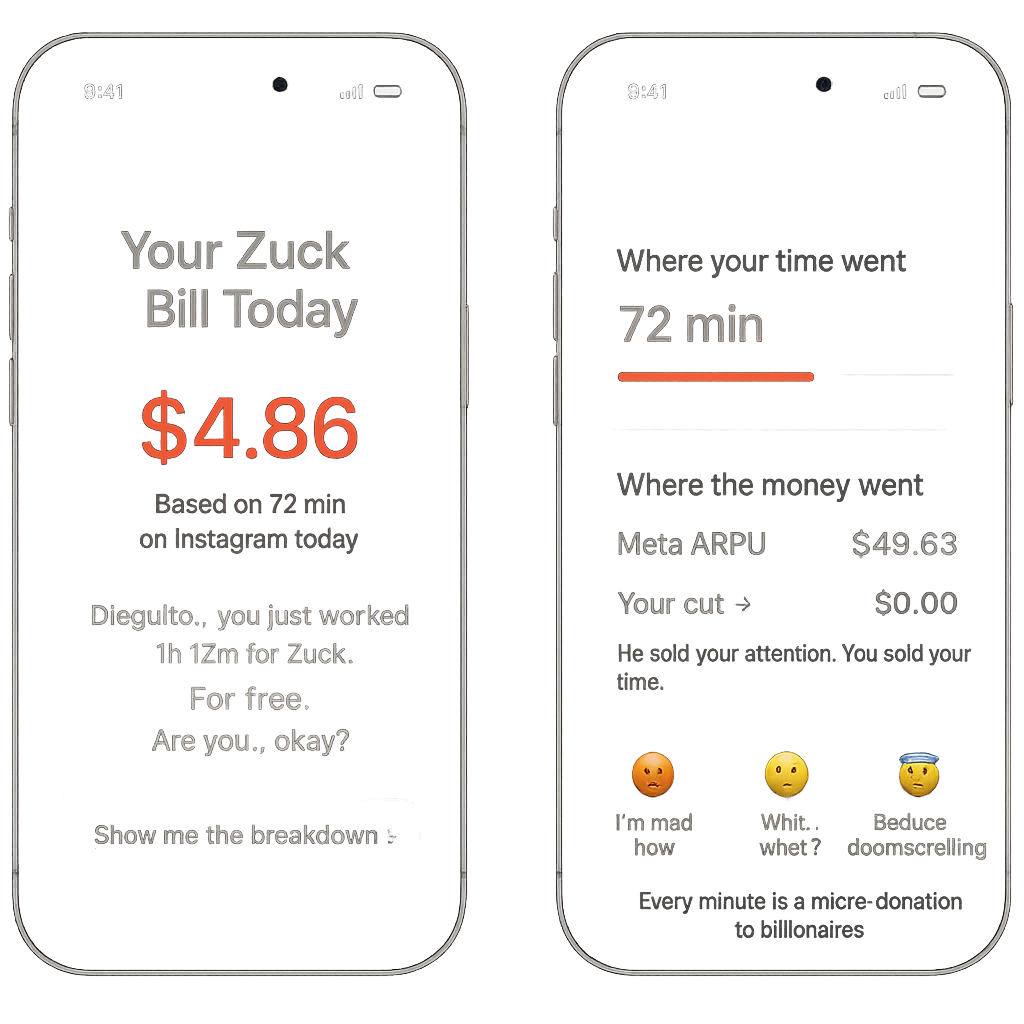
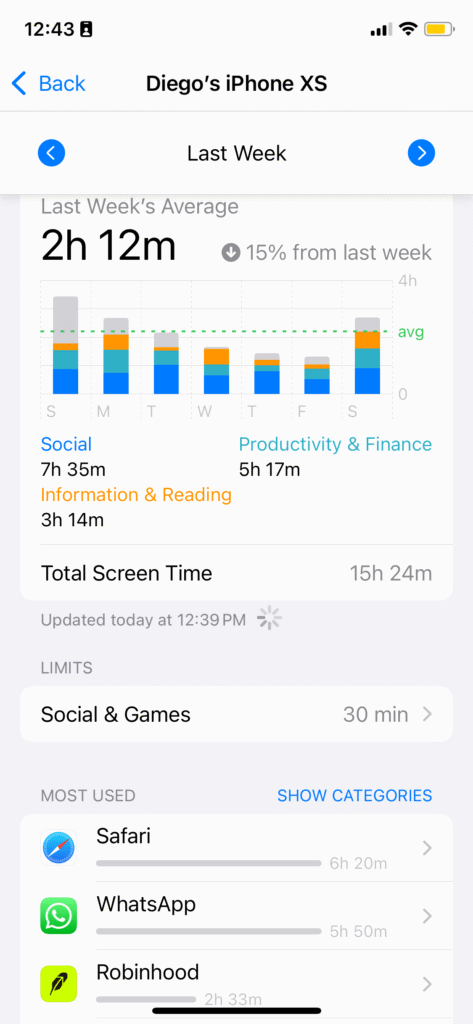
I could still see what friends were doing on social media. Google was giving me interesting things to read. If I measured how much time I spent consuming information, I would probably describe myself as informed. That metric looked good on paper.
I ended up forgetting about my RSS feeds. They faded from my radar, and I told myself that it was fine. What did not look as good was how I felt.
Over time, that tradeoff became impossible to ignore. The less time I spent on my phone or on social media, the better my days felt. I had more energy for new ideas. I was more willing to start projects instead of postponing them.
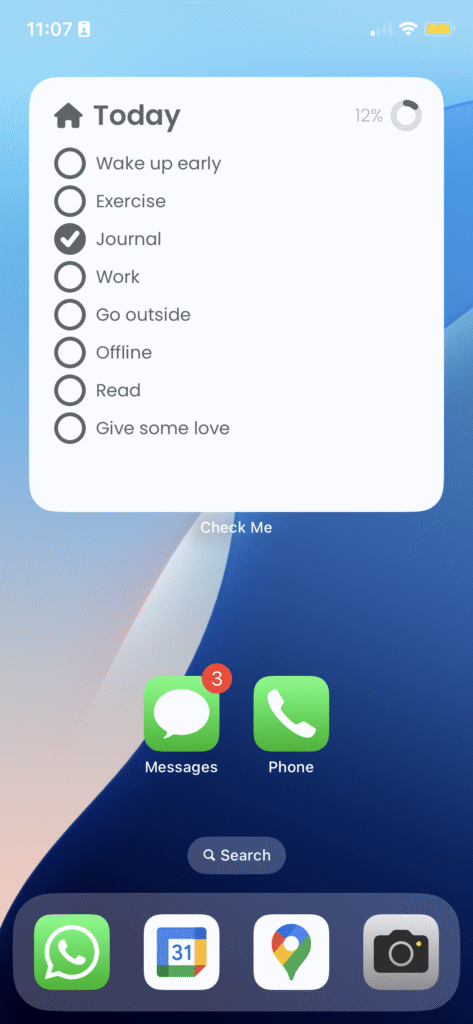
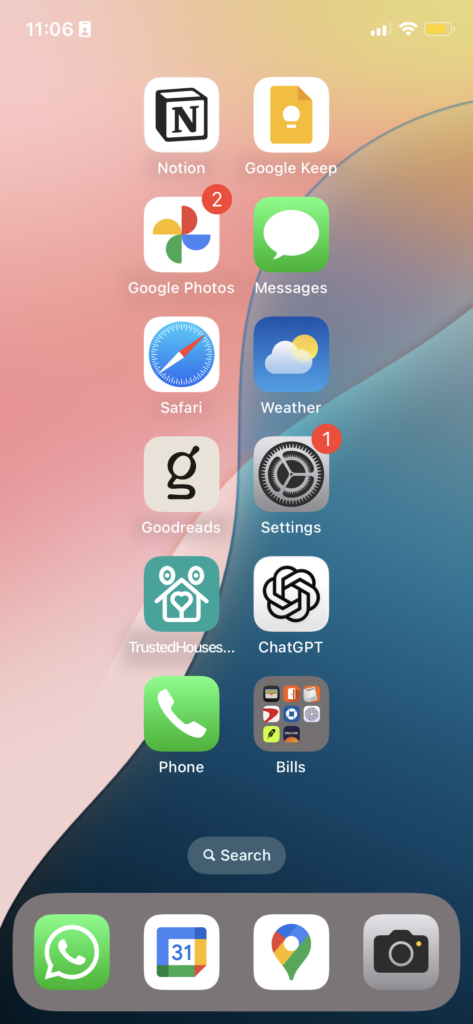
I even felt.. smarter? 🤷♂️, it’s hard to explain, I felt my brain more in sync. This was not a dramatic realization, just an accumulation of small, repeatable signals. So I started deleting things, one app at a time, watching the home screen get emptier and my mornings feel lighter.
Social media went first, which was easier than expected. Work related apps followed, which felt irresponsible until it did not. The last thing I could not let go of was Google News. Some of it was convenience, some of it was fear of missing out. Mostly it was that Google News lives inside the browser, which still feels nonnegotiable on a phone. I even tried removing the browser app entirely. That experiment did not survive long.
The journey to the RSS nostalgia
There were things I genuinely liked about Google News. It surfaced relevant topics often enough to feel useful. I could remove outlets I did not want to see anymore, which gave me a comforting illusion of control.
By the way, did you know that you can add this blog to your Google feed? Try it here.
Still, I would regularly get pulled into scrolling spirals or feel oddly irritated by publishers that hijack the back button just to dump a wall of clickbait in your face. This is directed at you, SF Gate.
Big tech has always had a weird relationship with aggregators, mostly because feeds threaten things platforms care deeply about: ads and data, plus control. RSS was inspired by an Apple research group initiative, briefly embraced by large platforms, and then slowly abandoned. A feed that gives readers everything and takes nothing back is hard to justify inside an ad driven model.
And then this morning happened.
Today as in Christmas Day. I woke up by an app I am building around gentler mornings and started testing iOS accessibility settings, things like font size, contrast, and other details that matter when you are designing for people who do not interact with screens the same way. For the record, I am officially using 110 percent font size on my phone now. Happy 40+ to me.
Well, somewhere in that wandering, and squinting a little more than I used to, I rediscovered Reader Mode in Safari and learned something I had completely missed.
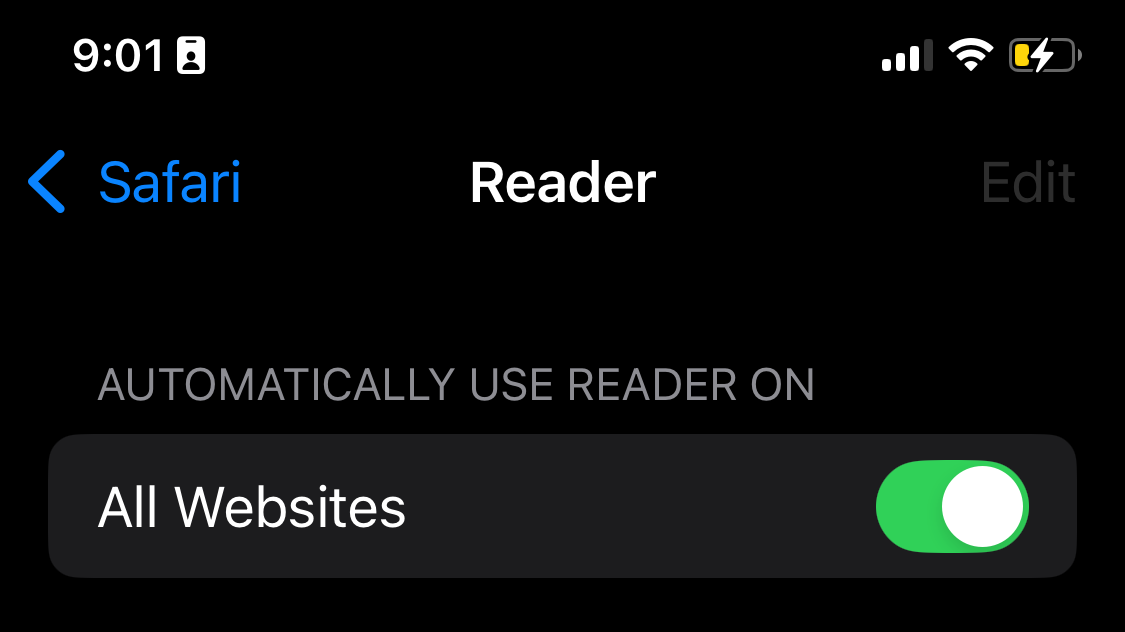
You can make Reader the default!
For most websites, not all, but enough to change how the web feels. It is not an accident that Reader Mode does not work on many news articles opened from Google News, while the same article often works fine when accessed directly. Clean reading experiences being treated as optional instead of default is a business decision, not a technical limitation.
I turned it on and immediately felt transported back to how reading used to be. Articles looked like they were designed to be read instead of converted (well, sometimes an article converts your soul though).
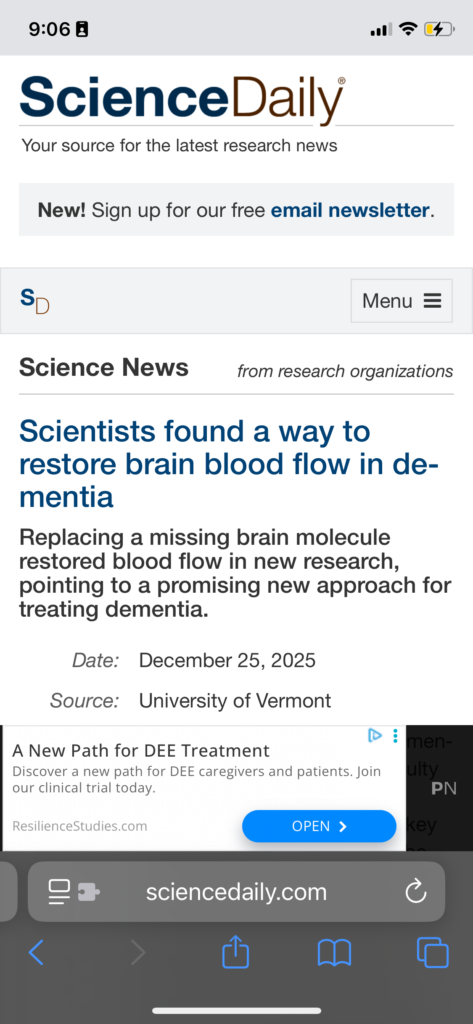
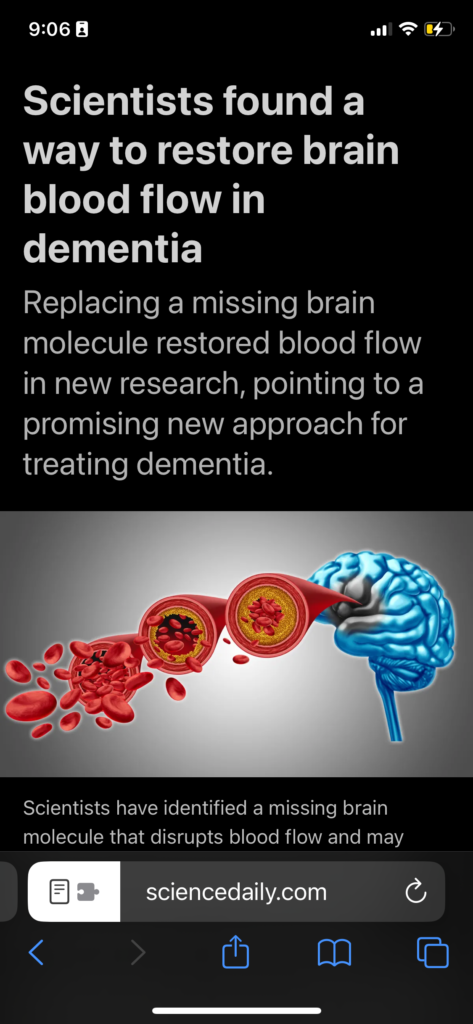
Apple ships Reader Mode, and features like “hide distracting elements”, which quietly enable one of the best reading experiences on the modern web. This is where accessibility gets interesting, and a little uncomfortable for companies. That has always been a slightly contradictory position for a big tech company. Apple is not particularly fond of ads, and it also has history here. The Apple research group I mentioned earlier created important technologies around accessibility before being shut down under Steve Jobs.
News business model
I understand the challenge of news outlet business models, which are genuinely complicated. A feature like Reader Mode or LLMs does nothing to help a news-ad-driven strategy, so it is not surprising that companies look elsewhere for revenue. The New York Times Games (!!??) division becoming one of the company’s main revenue drivers says a lot about where sustainable attention is easier to build. Looks like we finally understood why people bought newspapers in the past, for the crosswords.
What surprised me most was how quickly my body reacted to this change. The tension I had normalized while reading simply disappeared. Especially in the morning, when my tolerance for persuasion is close to zero.
Reader Mode does not feel like RSS in how it works, but it feels like RSS in how it lands. It works directly from semantic HTML. It keeps the intent and discards the infrastructure. You arrive because you chose to, and you leave because you are done. Nothing in between tries to keep score.
I do not think RSS failed because people stopped caring about reading. I think it failed because it was bad for business. I am also fairly sure this feature does not make some companies very happy. SF Gate, again, is still able to inject ads into Reader Mode or force a refresh after a short delay, which conveniently breaks the reading flow. These patterns exist to reassert control, reintroduce tracking, and remind you who actually owns the surface you are reading on.
Reading as a special need
Universal design is often framed as altruism, sometimes as something utopic. Accessibility features take real effort to build, the return on that effort is hard to quantify, and the revenue upside is rarely obvious. Because those capabilities are usually used by fewer people, advertising stakeholders rarely worry about losing that audience, at least at first. That changes the moment uninterrupted reading starts to feel like a special need.
I did not plan to feel sentimental about it. I was just testing accessibility capabilities, half awake, thinking about font sizes and contrast ratios. Then I stumbled onto something I thought I had lost a long time ago, a good reading experience, one paragraph after another, without anything pulling at my attention.
It turns out the hard part was never giving up RSS. It was remembering that choosing how to read is still an option.